What is Humita?
Humita, pronounced ooo-mee-ta, is one of the oldest and most traditional dishes eaten in Argentina. It is a stew made from sweetcorn and other typical South American vegetables. Like most things to do with Argentina, its origins can be traced to another country. However, unlike wine or juicy steaks, Humita didn’t originate in Europe. In fact it was brought to Argentina around the 1400s when the Inca Empire marched south from Peru and colonized large parts of northern Argentina.
Today it is a dish which is enjoyed across the northwest of Argentina, in provinces such as Salta and Jujuy. It is much less common to find in Buenos Aires, but not impossible!
The many Faces of Humita
Humita en olla
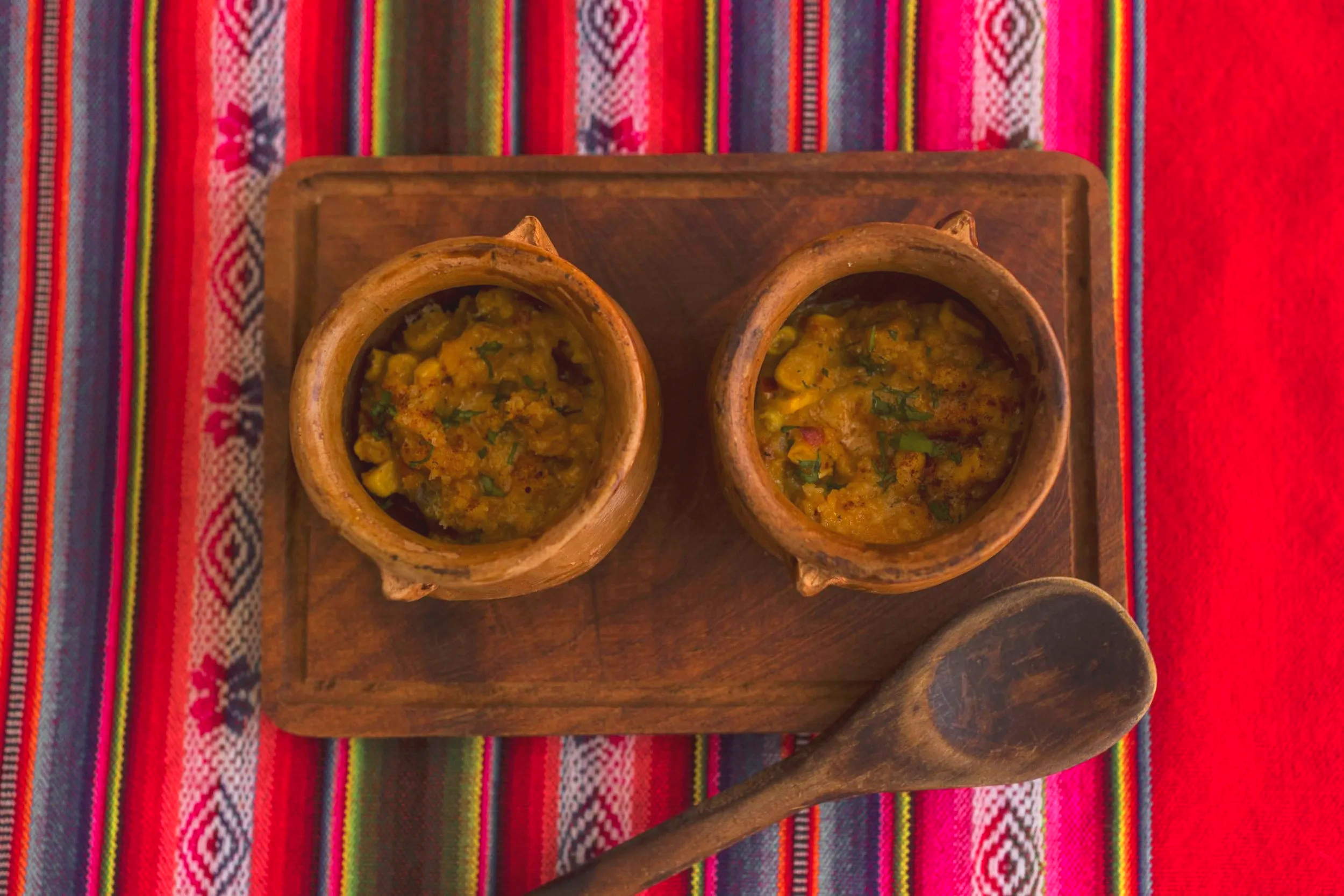
Perhaps the most traditional version is the Humita en olla (humita in a pot).
This is the version Aby makes for the lunch tasting at Wine Discovery. It has a base of corn, butternut squash, onions and bell peppers. As the name suggests it is slowly cooked in a pot. Spices such as paprika and cumin are used, and it is finished with a generous helping of grated cheese. Yum!
Humita en Chala
This style of humita is cooked and served in corn leaves/husks rather than in a pot.They look very similar to tamales. The corn is generally grated, which gives a totally different texture to the olla version. They are pretty rare to find outside the northwest of Argentina, however if you are lucky you may find them at El Hornero in San Telmo Market.
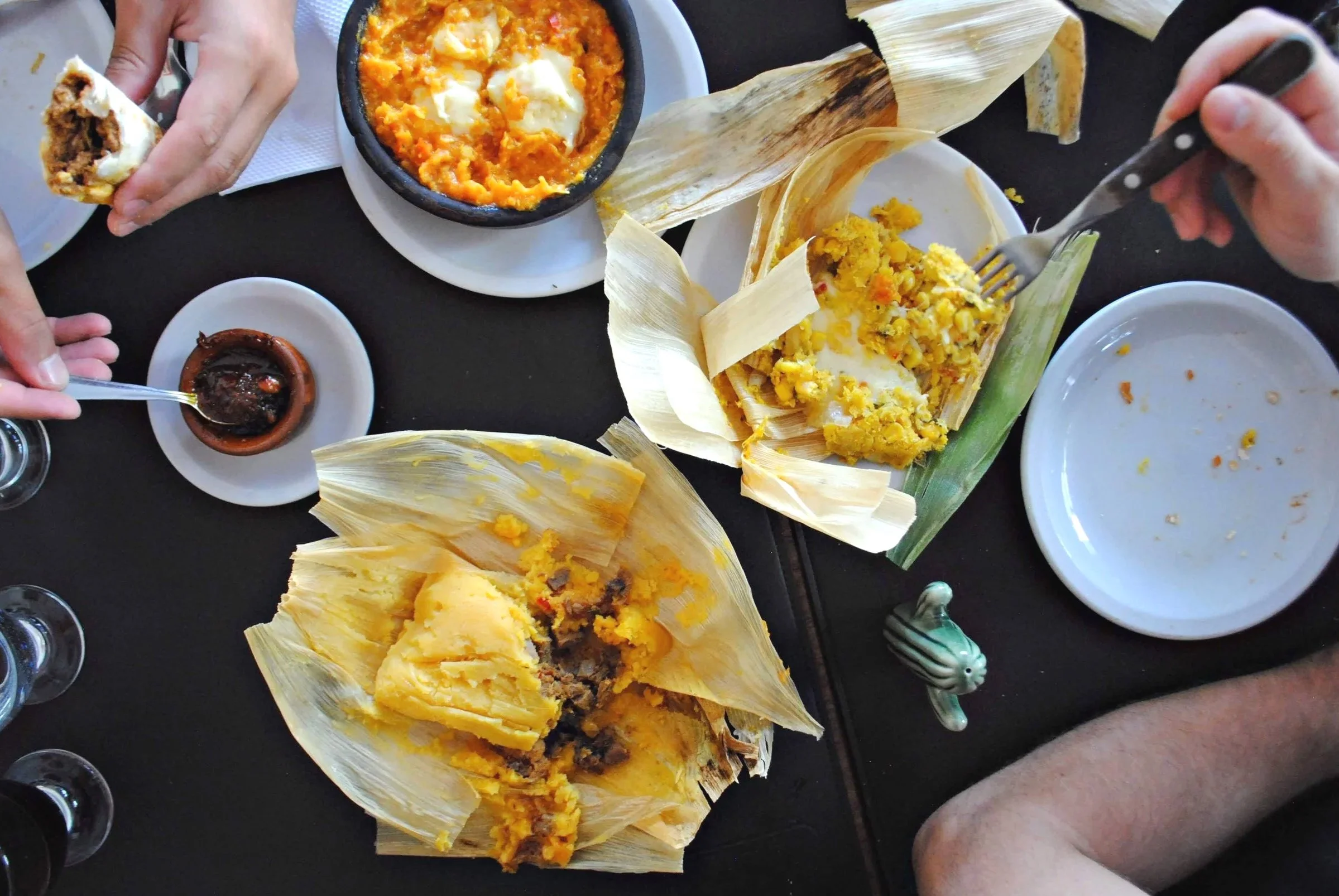
Humita en chala seconds before being demolished
Empanada de Humita
Humita empanadas are certainly the most common version you will see in Buenos Aires, and is probably where most visitors stumble across the mysterious “Humita”. However, BE WARNED! Not all humitas are made equal. If you have tried the two traditional versions, then you may be disappointed with the empanada. Although you can find some great ones, it's often just cheese and corn, which just isn't the same!

San Telmo Market is a great place to try emapnadas.
Gentileza Ente de Turismo de la Ciudad de Buenos Aires: turismo.buenosaires.gob.ar